How to Master High Shots: The Handball Goalkeeper’s Guide to Perfect Positioning
Effective goalkeeping isn't just about reflexes; it's about efficient movement. By keeping your hips up, opening your foot, and synchronizing your limbs, you make the save before the ball even reaches you.
5 min

Marko Markis
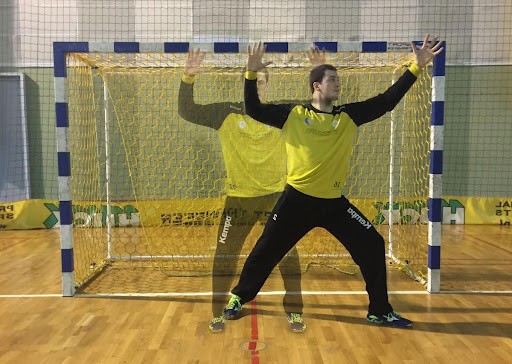
Let’s be honest: defending the top corners is the technique goalkeepers most often ignore in practice, yet mastering high shots gives you the biggest advantage on the court.
Many coaches and keepers overlook the specific biomechanics required to defend high shots. However, the concept isn’t complicated. If you can master your body position, you stop chasing the ball and start blocking it.
Here is the ultimate guide to the biomechanics and positioning required to stop getting beaten in the top corners.
1. Keep Your Hips Up During Lateral Movement
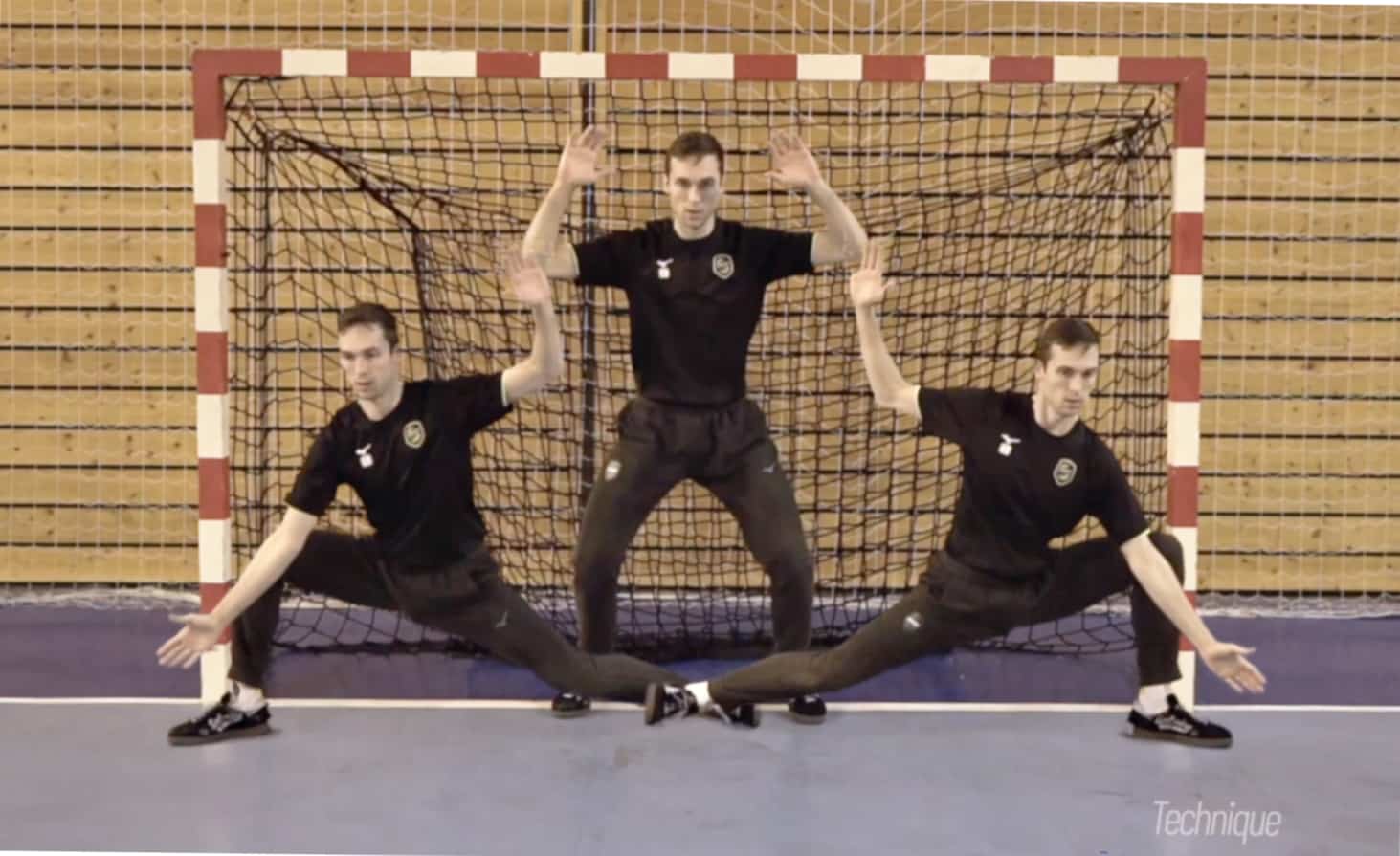
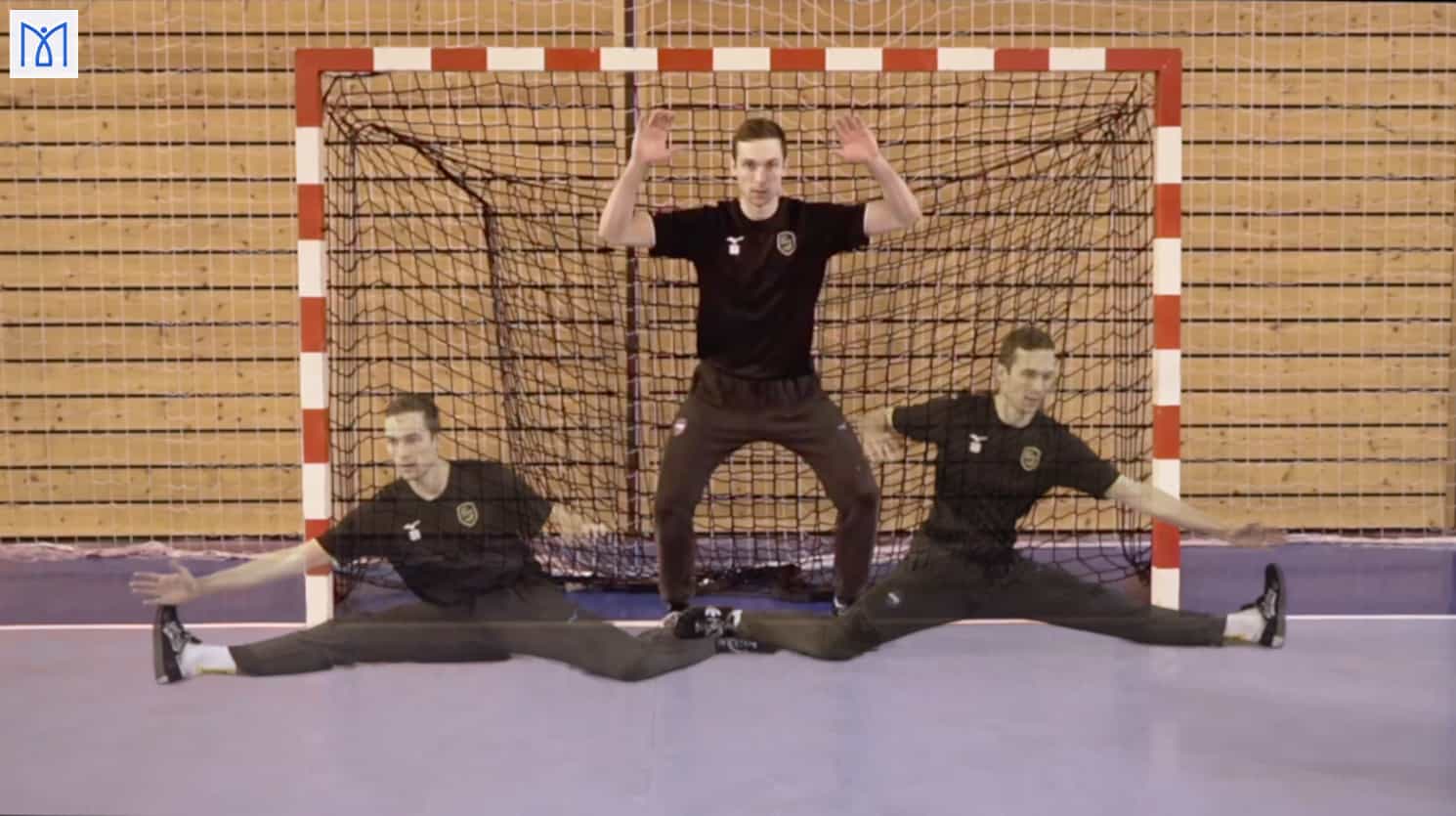
The most common mistake goalkeepers make when moving laterally for a high shot is dropping their hips. When you step to the side, gravity naturally pulls your body down. If you drop your center of gravity, you lose crucial vertical height, making it much harder to reach the top corner of the goal.
How to fix this: Instead of jumping, focus on pushing your hips up. As you extend your leg, concentrate on keeping your hips at the same level—or even slightly higher—than your starting stance. If you maintain your height during lateral movement, you don't have to fight gravity to reach the ball.
2. Ensure Proper Foot Alignment for Stability
Your leg position dictates your balance. When you step out to make a save on a high shot, the front of your foot must be perfectly aligned with your heel.
Why does foot alignment matter?
Forward Center of Gravity: If you step backward, your weight shifts back. This causes your hands to drift backward, pulling them away from the ball.
Explosive Reaction Speed: Keeping your toes and heel aligned keeps your weight forward, allowing you to react instantly. Stability starts in the feet; if your foundation is wrong, your hands can’t save you.
3. Open the Hip to Unlock Your Maximum Range
Biomechanics are key to covering the full goal area. When you move to the side, you must open your foot and your hip.
If your foot stays pointing straight forward, your hip remains closed. This physically blocks your knee from extending laterally—it’s like trying to bend your elbow the wrong way. By actively opening the hip, you free up your knee joint. This allows you to extend your leg fully, giving you the maximum lateral range needed to cover the goal.
4. Simplify Your Hand and Arm Movements
Don’t overcomplicate what your hands are doing during a high save. You don’t need a windmill motion or a complex swing.
Just push the elbow: Simply straighten your elbow directly toward the ball.
Stay forward: If you swing your arms around in an arc, you will be late to the ball.
Perfect your timing: Do not extend your arm too early. Keep your arm ready and extend it at the very last moment. If you extend too early, the shooter will read your movement, and the ball will easily slip past you.
5. Avoid the Trunk Rotation Trap
When attempting a two-handed save on a high ball, many keepers accidentally rotate their trunk (torso).
If you rotate your shoulders, your outside hand naturally pulls back. Even if your eyes track the ball perfectly, that backward rotation physically pulls your hand away from the ball's trajectory, resulting in a goal.
How to fix this: Push both hands forward simultaneously and fight the urge to turn your body. By pushing forward, you stay perfectly square to the ball, blocking the angle completely.
6. Synchronize Your Limbs for Maximum Speed
Finally, you cannot move your legs and hands separately. Defending a high shot must be one fluid, synchronized motion.
Think of it like driving a car. If you step with your legs but your hands are late, it’s like pressing the gas pedal while holding the handbrake. You are fighting your own momentum. Move your hands and legs at the exact same time. This synchronization creates maximum explosiveness, ensuring you get to the corner fast enough to make the save.
Summary: How to Improve Your High Shot Saves
Effective handball goalkeeping isn't just about raw reflexes; it's about highly efficient movement. By keeping your hips up, opening your foot, and synchronizing your limbs, you make the save before the ball even reaches you.
Don't settle for "good enough" positioning. Focus on these exact details in your next training session.
Coach’s Tip: Next time you are in training, film your movement on high shots. Check your feet—are you opening your hips? Are you dropping too low? Analyze the footage frame-by-frame and make the adjustments!
Weekly Newsletter Update!
Stay up-to-date with the latest innovations, features, blogs and projects.
How to Master High Shots: The Handball Goalkeeper’s Guide to Perfect Positioning
Effective goalkeeping isn't just about reflexes; it's about efficient movement. By keeping your hips up, opening your foot, and synchronizing your limbs, you make the save before the ball even reaches you.
5 min
Marko Markis
Let’s be honest: defending the top corners is the technique goalkeepers most often ignore in practice, yet mastering high shots gives you the biggest advantage on the court.
Many coaches and keepers overlook the specific biomechanics required to defend high shots. However, the concept isn’t complicated. If you can master your body position, you stop chasing the ball and start blocking it.
Here is the ultimate guide to the biomechanics and positioning required to stop getting beaten in the top corners.
1. Keep Your Hips Up During Lateral Movement
The most common mistake goalkeepers make when moving laterally for a high shot is dropping their hips. When you step to the side, gravity naturally pulls your body down. If you drop your center of gravity, you lose crucial vertical height, making it much harder to reach the top corner of the goal.
How to fix this: Instead of jumping, focus on pushing your hips up. As you extend your leg, concentrate on keeping your hips at the same level—or even slightly higher—than your starting stance. If you maintain your height during lateral movement, you don't have to fight gravity to reach the ball.
2. Ensure Proper Foot Alignment for Stability
Your leg position dictates your balance. When you step out to make a save on a high shot, the front of your foot must be perfectly aligned with your heel.
Why does foot alignment matter?
Forward Center of Gravity: If you step backward, your weight shifts back. This causes your hands to drift backward, pulling them away from the ball.
Explosive Reaction Speed: Keeping your toes and heel aligned keeps your weight forward, allowing you to react instantly. Stability starts in the feet; if your foundation is wrong, your hands can’t save you.
3. Open the Hip to Unlock Your Maximum Range
Biomechanics are key to covering the full goal area. When you move to the side, you must open your foot and your hip.
If your foot stays pointing straight forward, your hip remains closed. This physically blocks your knee from extending laterally—it’s like trying to bend your elbow the wrong way. By actively opening the hip, you free up your knee joint. This allows you to extend your leg fully, giving you the maximum lateral range needed to cover the goal.
4. Simplify Your Hand and Arm Movements
Don’t overcomplicate what your hands are doing during a high save. You don’t need a windmill motion or a complex swing.
Just push the elbow: Simply straighten your elbow directly toward the ball.
Stay forward: If you swing your arms around in an arc, you will be late to the ball.
Perfect your timing: Do not extend your arm too early. Keep your arm ready and extend it at the very last moment. If you extend too early, the shooter will read your movement, and the ball will easily slip past you.
5. Avoid the Trunk Rotation Trap
When attempting a two-handed save on a high ball, many keepers accidentally rotate their trunk (torso).
If you rotate your shoulders, your outside hand naturally pulls back. Even if your eyes track the ball perfectly, that backward rotation physically pulls your hand away from the ball's trajectory, resulting in a goal.
How to fix this: Push both hands forward simultaneously and fight the urge to turn your body. By pushing forward, you stay perfectly square to the ball, blocking the angle completely.
6. Synchronize Your Limbs for Maximum Speed
Finally, you cannot move your legs and hands separately. Defending a high shot must be one fluid, synchronized motion.
Think of it like driving a car. If you step with your legs but your hands are late, it’s like pressing the gas pedal while holding the handbrake. You are fighting your own momentum. Move your hands and legs at the exact same time. This synchronization creates maximum explosiveness, ensuring you get to the corner fast enough to make the save.
Summary: How to Improve Your High Shot Saves
Effective handball goalkeeping isn't just about raw reflexes; it's about highly efficient movement. By keeping your hips up, opening your foot, and synchronizing your limbs, you make the save before the ball even reaches you.
Don't settle for "good enough" positioning. Focus on these exact details in your next training session.
Coach’s Tip: Next time you are in training, film your movement on high shots. Check your feet—are you opening your hips? Are you dropping too low? Analyze the footage frame-by-frame and make the adjustments!
Weekly Newsletter Update!
Stay up-to-date with the latest innovations, features, blogs and projects.
How to Master High Shots: The Handball Goalkeeper’s Guide to Perfect Positioning
Effective goalkeeping isn't just about reflexes; it's about efficient movement. By keeping your hips up, opening your foot, and synchronizing your limbs, you make the save before the ball even reaches you.
5 min
Marko Markis
Let’s be honest: defending the top corners is the technique goalkeepers most often ignore in practice, yet mastering high shots gives you the biggest advantage on the court.
Many coaches and keepers overlook the specific biomechanics required to defend high shots. However, the concept isn’t complicated. If you can master your body position, you stop chasing the ball and start blocking it.
Here is the ultimate guide to the biomechanics and positioning required to stop getting beaten in the top corners.
1. Keep Your Hips Up During Lateral Movement
The most common mistake goalkeepers make when moving laterally for a high shot is dropping their hips. When you step to the side, gravity naturally pulls your body down. If you drop your center of gravity, you lose crucial vertical height, making it much harder to reach the top corner of the goal.
How to fix this: Instead of jumping, focus on pushing your hips up. As you extend your leg, concentrate on keeping your hips at the same level—or even slightly higher—than your starting stance. If you maintain your height during lateral movement, you don't have to fight gravity to reach the ball.
2. Ensure Proper Foot Alignment for Stability
Your leg position dictates your balance. When you step out to make a save on a high shot, the front of your foot must be perfectly aligned with your heel.
Why does foot alignment matter?
Forward Center of Gravity: If you step backward, your weight shifts back. This causes your hands to drift backward, pulling them away from the ball.
Explosive Reaction Speed: Keeping your toes and heel aligned keeps your weight forward, allowing you to react instantly. Stability starts in the feet; if your foundation is wrong, your hands can’t save you.
3. Open the Hip to Unlock Your Maximum Range
Biomechanics are key to covering the full goal area. When you move to the side, you must open your foot and your hip.
If your foot stays pointing straight forward, your hip remains closed. This physically blocks your knee from extending laterally—it’s like trying to bend your elbow the wrong way. By actively opening the hip, you free up your knee joint. This allows you to extend your leg fully, giving you the maximum lateral range needed to cover the goal.
4. Simplify Your Hand and Arm Movements
Don’t overcomplicate what your hands are doing during a high save. You don’t need a windmill motion or a complex swing.
Just push the elbow: Simply straighten your elbow directly toward the ball.
Stay forward: If you swing your arms around in an arc, you will be late to the ball.
Perfect your timing: Do not extend your arm too early. Keep your arm ready and extend it at the very last moment. If you extend too early, the shooter will read your movement, and the ball will easily slip past you.
5. Avoid the Trunk Rotation Trap
When attempting a two-handed save on a high ball, many keepers accidentally rotate their trunk (torso).
If you rotate your shoulders, your outside hand naturally pulls back. Even if your eyes track the ball perfectly, that backward rotation physically pulls your hand away from the ball's trajectory, resulting in a goal.
How to fix this: Push both hands forward simultaneously and fight the urge to turn your body. By pushing forward, you stay perfectly square to the ball, blocking the angle completely.
6. Synchronize Your Limbs for Maximum Speed
Finally, you cannot move your legs and hands separately. Defending a high shot must be one fluid, synchronized motion.
Think of it like driving a car. If you step with your legs but your hands are late, it’s like pressing the gas pedal while holding the handbrake. You are fighting your own momentum. Move your hands and legs at the exact same time. This synchronization creates maximum explosiveness, ensuring you get to the corner fast enough to make the save.
Summary: How to Improve Your High Shot Saves
Effective handball goalkeeping isn't just about raw reflexes; it's about highly efficient movement. By keeping your hips up, opening your foot, and synchronizing your limbs, you make the save before the ball even reaches you.
Don't settle for "good enough" positioning. Focus on these exact details in your next training session.
Coach’s Tip: Next time you are in training, film your movement on high shots. Check your feet—are you opening your hips? Are you dropping too low? Analyze the footage frame-by-frame and make the adjustments!
Weekly Newsletter Update!
Stay up-to-date with the latest innovations, features, blogs and projects.