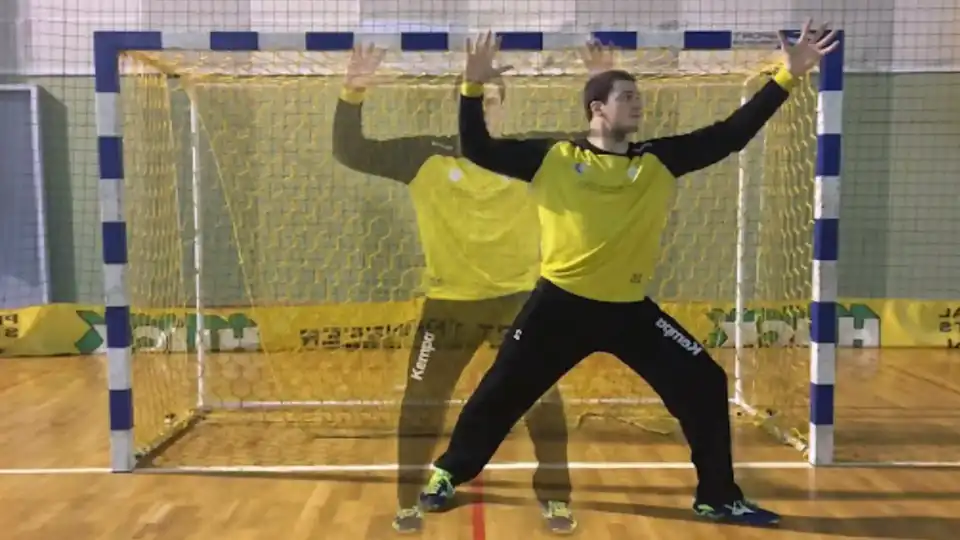
Imagine watching a high shot pass just beyond a goalkeeper’s fingers. The hand is close enough to make the miss frustrating. On the next repetition, the goalkeeper reaches harder and stretches further.
Before asking for more reach, replay the first movement. Did the hips drop as the goalkeeper went sideways? Did the arm circle backwards before going towards the ball? Was the goalkeeper still adjusting position when the shot arrived?
These details can change the task the hand is trying to finish. My approach to high shots begins with the starting position and follows the movement through to contact.
The corner became further away
In our example, suppose the goalkeeper sinks lower during the sideways push. The ball is going high while the body is losing height. The final reach now has extra distance to cover.
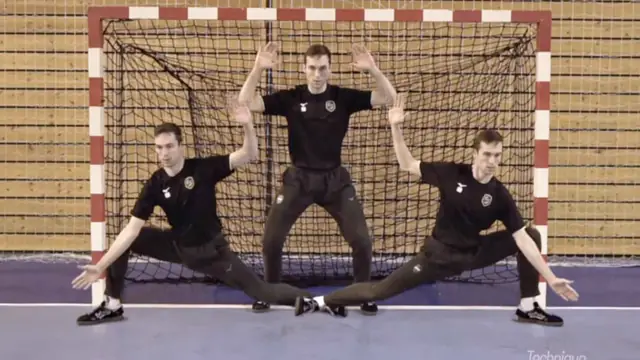
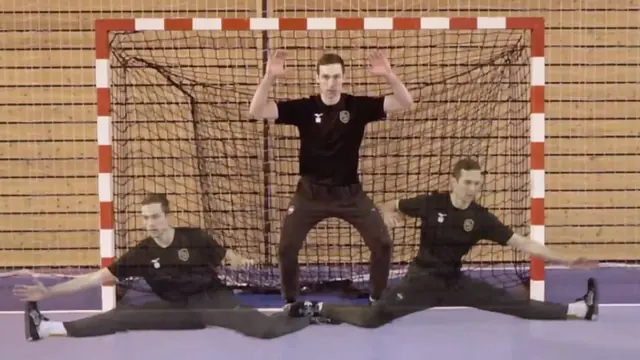
One cue I use is to maintain useful hip height during the movement towards a high ball. That does not mean standing stiffly upright or jumping for every shot. It means avoiding an unnecessary drop that makes the high corner harder to reach.
Check this from the side as well as the front. The goalkeeper may feel powerful because the push was large, while the recording shows a movement that took them down before taking them across.
The first improvement may therefore look smaller than the original attempt. Its value is in where it takes the body.
Give the hand a direct route
Now follow the arm. A large backswing can feel like preparation for an explosive save. If it carries the hand away from the ball first, that extra movement may take more time than the shot allows.
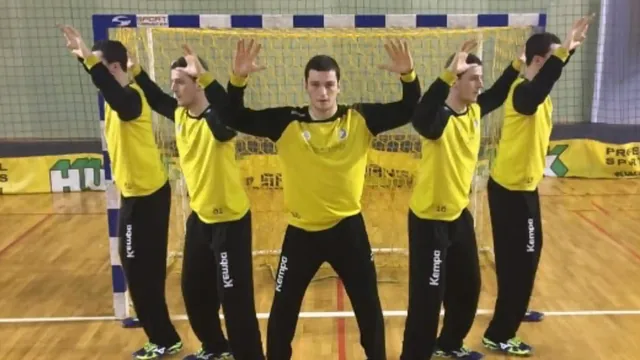
I want the hands available in front of the body, with a direct movement into the space being defended. The elbow contributes to the finish. Keep enough freedom to adjust as the shot becomes clear, rather than fixing the arm into its final shape too early.
Timing depends on the distance and the information available. “Wait until the last moment” is a coaching cue for avoiding premature commitment, not an instruction to delay a save that already needs to begin.
The same point applies to a two-handed response. Watch whether turning the trunk pulls one hand backwards. Both hands can look involved while only one remains in a useful position towards the ball.
The feet are part of the reach
The upper body can only use the position it arrives in. A step that carries the goalkeeper backwards or leaves their weight awkwardly placed can make the hands finish behind the intended line.
Look at the direction of the push, the placement of the stepping foot and the control of the landing. The hip and foot need to move in a way the goalkeeper can control; a forced position copied from a still photograph is not the objective.
A goalkeeper’s height, mobility and preferred response affect what that movement looks like. Start with the purpose—arriving where the ball can be defended—then assess the individual movement.
Make the next repetition answer one question
Take the shot away briefly. Rehearse a comfortable movement towards the high save while a coach watches the hips and the route of the hands. Then add controlled throws to a known side.
Choose one observation for that set. If the hips were dropping, track their height. If the arm was circling, watch the hand’s route. Trying to correct both feet, both arms and the trunk at once gives the goalkeeper too much to monitor.
Once the change is repeatable, vary the side and timing. Finally, introduce shots from different backcourt positions so the goalkeeper must arrive at the appropriate angle before making the save. Keep the speed and volume appropriate to the player and the session.
Review a saved shot as carefully as one that goes in. Did the save come from the intended movement, or did an extra reach rescue a poor starting position? Equally, a well-executed response can still be beaten by a good finish.
Return to the opening clip and compare it with the later attempts. The most useful difference might happen well before the fingers reach the corner: less sinking, a more direct hand movement, a better position at release.
That is what I want a goalkeeper to learn to recognise. A high save is the end of a connected movement. Follow the whole movement and the correction becomes much easier to understand.
Related reading: goalkeeper positioning and saving low shots.