Imagine a goalkeeper saving a low shot with a long slide across the court. The next shooter approaches. The goalkeeper starts the same movement, expecting the same finish. This ball goes high.
The second shot exposes a question that the first save hid: was the slide a good decision, or had it simply become the goalkeeper’s automatic answer?
I teach sliding as one option within a goalkeeper’s game. It can provide useful coverage when the ball is travelling low and the goalkeeper has time to enter the movement. Learning it means understanding both the choice and the way the body reaches the save.
Before the leg extends
Start the example again, just before the goalkeeper moves. Where is the ball? How much space must be covered? Is there enough information to commit low? Could a smaller foot reaction deal with the shot?
A slide changes the goalkeeper’s available responses. Once low and extended, changing to a high save becomes more difficult. That trade-off is part of the technique. A successful slide does not prove that it was the best choice for every similar-looking approach.
On video, I therefore examine the moment of commitment as well as the final shape. A goalkeeper can reproduce a beautiful movement and still choose it too early.
Watch the hips, then the finish
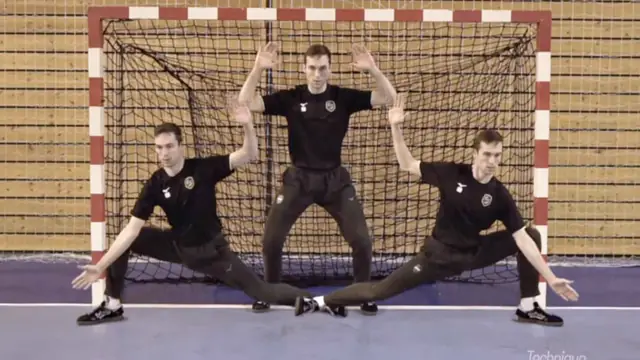
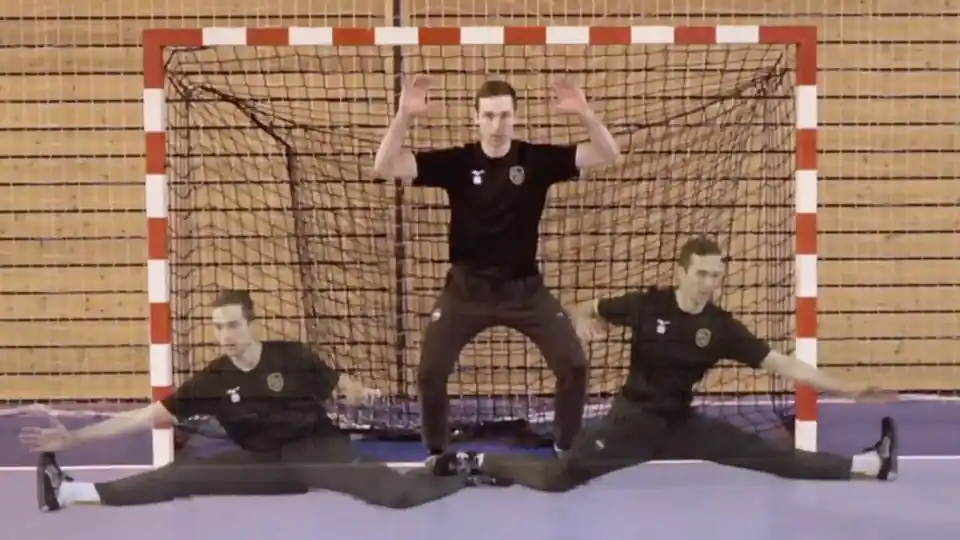
Now follow the movement itself. One pattern I want to change is travelling sideways with the hips high, followed by an abrupt drop at the end. My teaching cue is to lower the hips early while moving towards the low ball, so the entry stays controlled.
The reaching leg opens into the space being defended. The hands remain available towards the ball. If the trunk turns away or leans back, a hand that looked close to the shot can finish behind the useful line of the save.
Foot contact also deserves close attention. Pulling the toes back is one cue I use when teaching the entry, but it must be checked in the actual movement. Surface grip, footwear, mobility and control all matter. A written cue cannot confirm that someone is performing the slide appropriately.
Good technique is worth developing carefully. It does not make injury impossible. Pain, a catching foot or a movement the goalkeeper cannot control are reasons to stop that progression and have it assessed, rather than repeat it with more force.
Three options, three different questions
The basic slide brings a hand and the extended leg into one low side of the goal. Ask whether they arrive together and whether the goalkeeper stays connected to the ball.
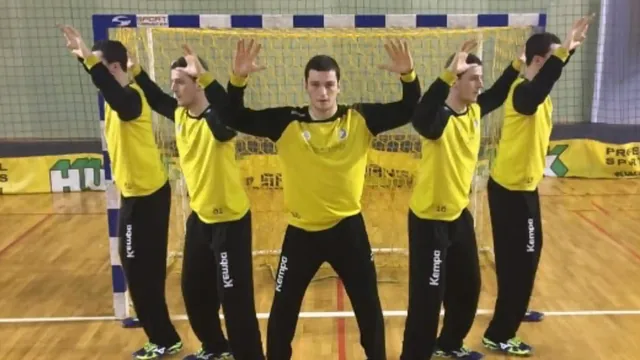
In a variation with both hands involved, the hands work forward into the shot while the lower body provides coverage. Ask whether the goalkeeper is turning away and pulling one hand back. The label matters less than what the hands can actually defend.
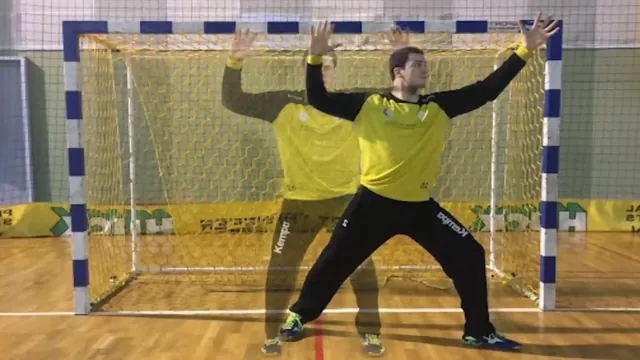
In a drop or static variation, there is little sideways travel. The goalkeeper lowers from the existing position and uses the legs to cover low space. Ask whether that starting position already fits the shooting angle. Dropping in the wrong place does not repair the angle.
These are options to develop according to the individual. They are not a checklist that every young goalkeeper must complete immediately.
Build a movement you can inspect
For a learning session, begin without a shot and within a comfortable range. Establish the finishing position slowly. Then practise a controlled entry from a low starting position, with a coach checking the route of the hips, foot contact and hand position.
Use an appropriate practice surface and remove obstacles. Increase speed only while the goalkeeper can repeat the movement with control. The number of repetitions should follow the player’s readiness and the quality of the work, not a universal target.
When that is established, introduce predictable low throws. Later, add a choice between shots that call for different responses. This final step reconnects the technical practice with the decision from our opening scene.
A coach can ask two separate questions after a repetition: “Did the situation call for the slide?” and “How did you enter it?” Keeping them separate makes the feedback much more useful.
The goalkeeper who learns both can do more than reproduce a dramatic save. They can recognise when to use the movement in a game—and remain ready to choose another response when the next ball goes high.
Related reading: saving low shots and planning goalkeeper training.