Picture a coach opening the session plan after a weekend match. The page is full of exercises. The match video shows something more specific: the goalkeeper repeatedly arrived late when the ball moved from one backcourt position to another.
Which part of tomorrow’s session helps with that?
If the answer is unclear, the plan needs to reflect the goalkeeper’s needs more closely. I start with what the player needs to develop, then decide how the available time, team training and match schedule can support it.
Begin with a question you can check
One match gives a clue, not a complete diagnosis. Return to the clips. Was the goalkeeper reading the pass late, taking an inefficient route or facing a release that happened sooner than expected? Did the same issue appear in other matches or training?
In our example, suppose the repeated issue is the adjustment across goal. A useful training focus could be arriving balanced after a lateral movement, ready for a shot from the new position.
That focus gives the coach a reason to select an exercise. It also gives the goalkeeper a reason to care about the detail being practised. Both people know what they will look for when they review the work.
My research into goalkeeper movement comes from that same practical interest: understanding how the body performs the task so technique and physical preparation can support it. The research should help answer a coaching question.
Give the session a beginning, a task and a review
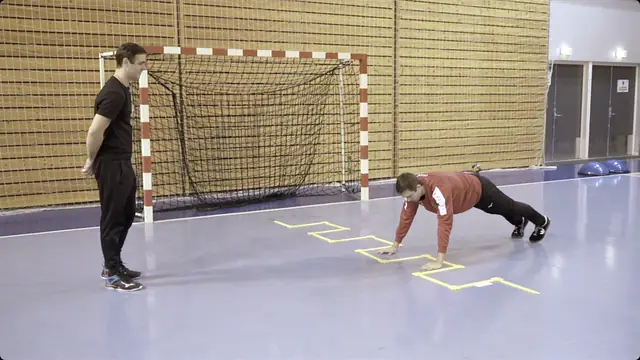
Start by preparing the goalkeeper for the movements the session will contain. Build from controlled general movement towards the relevant footwork and ball work. The warm-up is a chance to observe readiness as well as prepare for the main task.
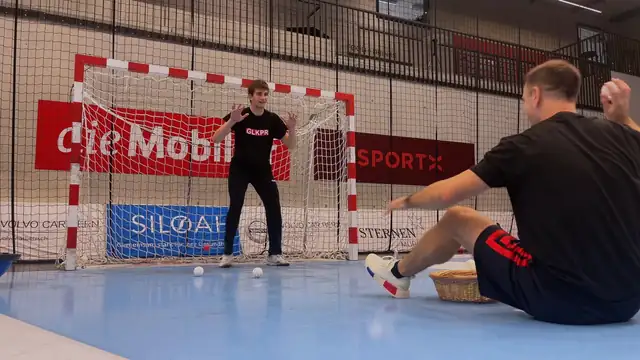
For the central work, begin with a manageable version of the adjustment. A pass changes the shooting position; the goalkeeper moves, arrives and faces a controlled shot. The coach watches the agreed detail rather than trying to score every aspect of the performance.
Then change the task. Vary the timing or direction so the goalkeeper has to read the pass. Add realistic shooting choices once the movement is established. The exercise now asks whether the skill remains useful when the next action is less predictable.
Leave time to discuss what changed and what remains difficult. End the physical work appropriately for the player and their wider programme. A short note—what we practised, what we observed, what comes next—gives you a starting point for the next session.
For example, a 60-minute session might contain 15 minutes of preparation, 35 minutes of focused work and 10 minutes to finish and review. That is an illustration of how time can be organised, not a required duration for every goalkeeper.
Put the session inside the real week
Now imagine the head coach adds a demanding shooting session on the day you planned your hardest goalkeeper work. The original plan no longer describes the actual load.
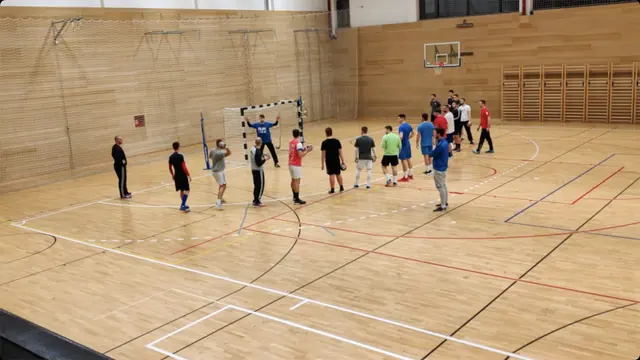
Discuss what the team session contains and adjust. You might reduce extra repetitions, use a shorter technical block or move the heavier work. Count team shots, gym sessions, matches and recovery demands together when planning with the staff.
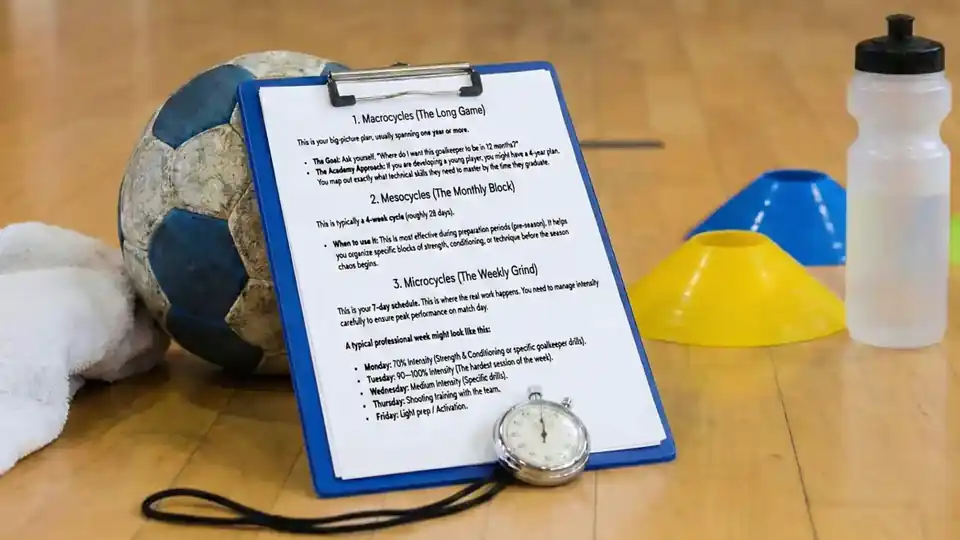
For a Saturday match, earlier days may offer more room for development, with later work becoming more focused on readiness and the opponent. Travel, multiple matches, school, work and the individual’s condition can change that pattern. Percentages such as “90% intensity” mean little unless everyone knows what is being measured.
Young goalkeepers need plans suited to their stage of development, attention and total activity. A professional schedule is not a ready-made youth programme.
Keep the longer question in view
A week fits within a longer development period. Coaches sometimes call these scales a microcycle, mesocycle and macrocycle: roughly, a short training cycle, a block of related work and the wider season or development plan. Their duration follows the programme; the labels do not decide it.
Our lateral-movement focus may belong to a longer aim of improving positioning across different shooting situations. Revisit it over time and check whether the improvement carries over into matches. If the exercise improves but the match problem remains, examine the connection rather than simply adding more repetitions.
For your next plan, begin with one observed problem, one development aim and one way to check progress. Choose the exercises afterwards.
When the goalkeeper returns to the same match situation, the plan has a purpose they can recognise. The next pass across the backcourt becomes a chance to use what they practised.
Related reading: goalkeeper positioning and mental training and coaching conversations.